When considering plastic surgery, understanding board certification is vital. It’s not just a label; it represents a surgeon’s dedication to mastery in their field. This certification guarantees they've met rigorous standards and possess the necessary skills. But what exactly does this mean for your safety and the quality of care you can expect? Let's explore the important aspects of board certification and how it impacts your surgical experience.
Understanding Board Certification in Plastic Surgery
When considering plastic surgery, understanding board certification is essential for your safety and peace of mind. Board certification indicates that a surgeon has completed rigorous training and testing in their specialty. It signals that they've met high standards of knowledge and skill, often requiring years of experience. Make certain your surgeon is certified by an accredited organization, such as the American Board of Plastic Surgery. This certification can help guarantee they’re well-versed in the latest techniques and safety protocols. Remember, an unboarded surgeon may not have the same level of expertise, putting your health at risk. Always prioritize finding a qualified professional to give you the best possible outcome and minimize complications. Your health deserves the utmost care and attention.
The Process of Achieving Board Certification
Achieving board certification in plastic surgery is a rigorous process designed to guarantee a surgeon’s expertise and dedication to the field. First, you need to complete an accredited residency program in plastic surgery, which typically lasts at least six years. After that, you’ll need to pass the written examination administered by the American Board of Plastic Surgery (ABPS). https://blogfreely.net/herdal1241/common-myths-about-plastic-surgery-8v7h Once you pass the written test, you must then complete an oral examination, showcasing your clinical knowledge and judgment.
Throughout this journey, you'll need to accumulate a minimum number of cases in various surgical categories, providing proof of your hands-on experience. Finally, you must adhere to the board’s ethical standards and ongoing education requirements to maintain your board certification status.

The Importance of Board Certification for Patients
Board certification in plastic surgery plays an essential role in ensuring your safety and confidence when choosing a surgeon. When a surgeon is board-certified, it means they’ve undergone extensive training and passed rigorous examinations in the field of plastic surgery. This credential indicates a commitment to high standards and ethical practice.
Differentiating Between Board Certification and Other Credentials
Understanding the difference between board certification and other credentials is essential for making informed decisions about your plastic surgeon. Board certification, specifically in plastic surgery, means the surgeon has undergone rigorous training and assessments by an accredited body, typically the American Board of Plastic Surgery. This guarantees they meet high standards in their field.
On the other hand, other credentials, like memberships in medical associations or completion of courses, don't guarantee the same depth of training or expertise in plastic surgery. While these qualifications may indicate a commitment to ongoing education, they aren't as thorough as board certification. When evaluating a plastic surgeon, focus on their board certification to guarantee they possess the necessary skills and knowledge for your procedure.
How Board Certification Enhances Patient Safety
Choosing a board-certified plastic surgeon goes beyond just verifying their qualifications; it’s an essential step toward ensuring your safety during the procedure. When you select a surgeon with this certification, you’re choosing someone who has undergone rigorous training and demonstrated a commitment to high standards. They’ve not only completed extensive education but also passed thorough exams that evaluate their skills and knowledge in plastic surgery.
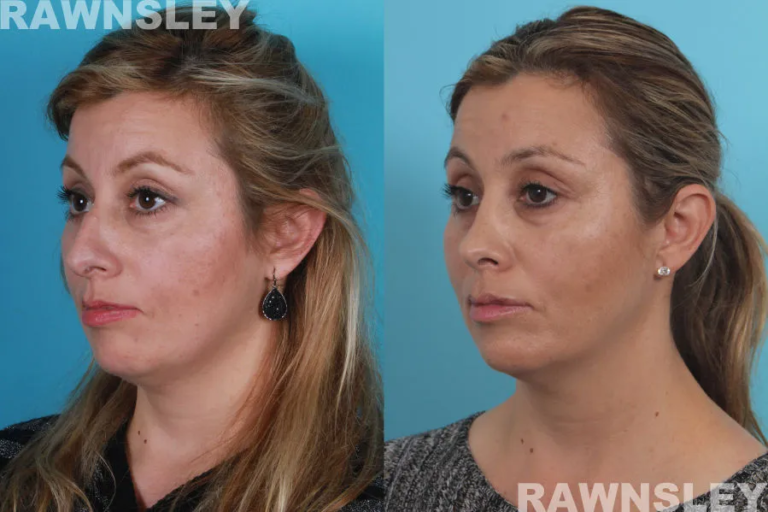
Board certification requires ongoing education, ensuring your surgeon stays updated on the latest techniques and safety protocols. This helps minimize risks and complications during your surgery. Furthermore, certified surgeons typically adhere to established safety guidelines, which further enhances patient safety. Ultimately, board certification gives you peace of mind, knowing you’re in capable hands.
Questions to Ask Your Surgeon About Their Certification
How can you guarantee that your plastic surgeon truly meets the qualifications necessary for your procedure? Start by asking about their board certification. Which board certified them, and is it recognized by the American Board of Medical Specialties? Inquire about their specific training in plastic surgery—how many procedures like yours have they completed? Don’t hesitate to ask about their experience with potential complications and how they manage them. It’s also valuable to know whether they’re attending ongoing education or training sessions. Most importantly, verify they’re part of a reputable medical association. Each of these questions will help you feel more confident in your surgeon's credentials and ability to provide safe, effective care tailored to your needs.